

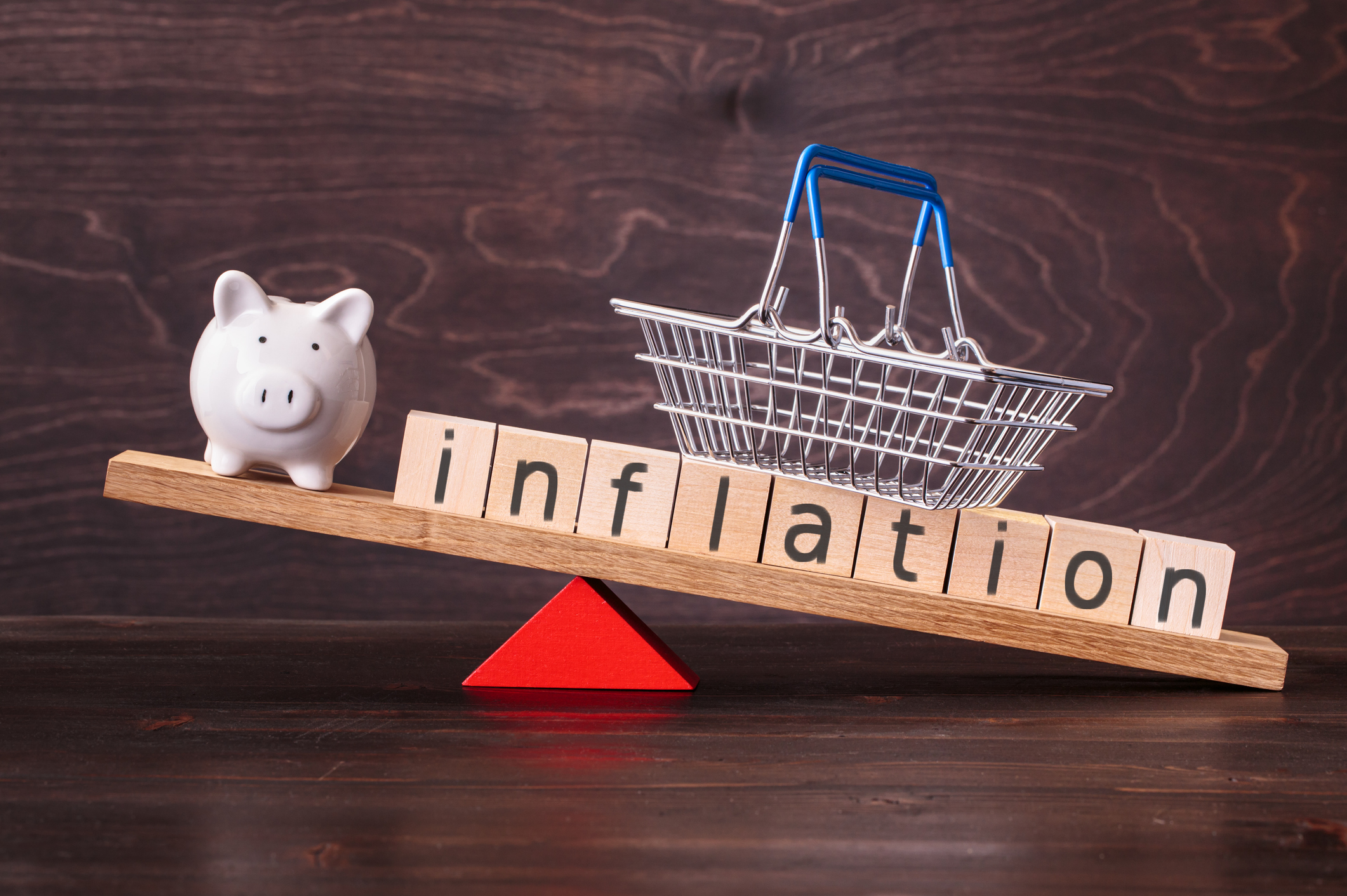
At the beginning of 2025, the Federal Reserve was expected to cut interest rates, a move that would have impacted mortgages, prime rates, savings accounts, and more. However, plans have shifted. Recent increases in bond rates have raised concerns among economists and investors, but it’s important to remember that you can also take advantage of these high rates. Why? Because banks borrow money from the Fed, and to avoid paying the government’s interest rate, it’s cheaper for them to incentivize you, the depositor, to save money at their bank by offering increased rates.
Save More with Little Risk
Since interest rates aren’t falling anytime soon, there is time to take advantage of the high interest rates banks are offering in high-yield savings, certificates of deposit (CDs), and money market accounts. These accounts typically offer higher interest with minimal risk, as they are insured—up to $250,000—by the Federal Deposit Insurance Corporation (FDIC) or the National Credit Union Administration (NCUA) if placed at a credit union.
High-Yield Savings Accounts (HYSA)
When overall interest rates increase or decrease, the interest rate of a high-yield savings account will typically follow suit. Unlike a certificate of deposit account, the money you keep in a HYSA is completely accessible to you at any time, and the rates are not locked in. Let’s suppose your bank offers 5% in a HYSA this month because interest rates are high, and a few months later, rates drop; the rate inside your HYSA is likely to drop as well, perhaps by as much has 4%. Rates can also go back up or continue to drop. Regardless, using a HYSA is still beneficial because it helps you keep pace with or even stay ahead of inflation.
Certificate of Deposit Accounts (CD):
During times of uncertainty, it can be very useful to take advantage of a certificate of deposit account. Unlike a HYSA, a CD account locks in your money and your interest rate for a specific period. Rates for a CD account vary based on the term in which you choose to keep your money in the account. For example, a bank or credit union may offer the following rates:
- 6 months at 1.5%
- 12 months at 2%
- 18 months at 3%
- 24 months at 3.5%
- 60 months at 5%
Generally, the longer your term, the higher the interest rate offered. It is also important to note that if interest rates drop during your chosen term, your rate is still guaranteed: it will not decrease. Moreover, it will not increase if rates rise.
It is recommended that if you need your money immediately—in less than a few days—then you’ll want to keep your money in a regular or high-yield savings account. If you can wait a few days or longer, depending on your bank or credit union, then a CD account may be the right fit for you. Keep in mind that closing the account before the maturity date (e.g., 12, 24, or 60 months) could result in penalties or forfeited interest. If you’d like your money to grow with interest, but not have it locked in, then a money market account might be a better fit for you.
Money Market Accounts (MMAs)
Money market accounts offer the earning flexibility of a higher interest rate without being locked into an account for a specific amount of time. While they are not invested directly in the stock market, they can pay a higher rate because they consist of negotiable certificates of deposit; bankers’ acceptances, government Treasury bills, commercial paper, municipal notes, federal funds, and repurchase agreements (repos), all of which earn interest for the account. MMAs may be used similarly to a checking account; however, they tend to limit the number of withdrawals you can make to six per month. Be sure to check with your bank or credit union about their withdrawal limits.
High-yield savings, certificates of deposits, and money market accounts all offer higher interest rates than a regular savings or checking account. All can provide a means of protecting against inflation, thus maintaining the value of your money. If you’d like to earn more than the inflation rate, it generally requires more risk and will likely not be insured by the FDIC or NCUA. To earn more than a 1-5% rate you will want to invest your money in the bond/stock market, which will incur its own fees and risk, and will not be protected against market downturns. When trying to determine which steps are best for you, do your research, and remember to seek out professional advice when necessary.
Samuel Molina is an Accredited Financial Counselor® and CEO and Founder of The Academy of Financial Education, a non-profit organization dedicated to narrowing the wealth gap for its community through activities, coaching, education, and instruction. Visit Samuel’s FindAnAFC profile to view his services and connect with him on LinkedIn.